
Managing financial records is the backbone of any successful business, and losing critical data can be catastrophic. When you're using QuickBooks Online, having a reliable backup strategy isn't just recommended—it's essential. While QuickBooks Online stores your data securely in the cloud, understanding how to backup QuickBooks Online gives you an extra layer of protection against unexpected data loss, system errors, or account issues.
Many business owners assume that cloud storage automatically means their data is completely safe. However, situations like accidental deletions, corrupted files, or even subscription lapses can put your financial information at risk. That's why knowing the proper methods to backup QuickBooks Online should be a priority for every business owner and accountant.
Understanding QuickBooks Online Data Storage
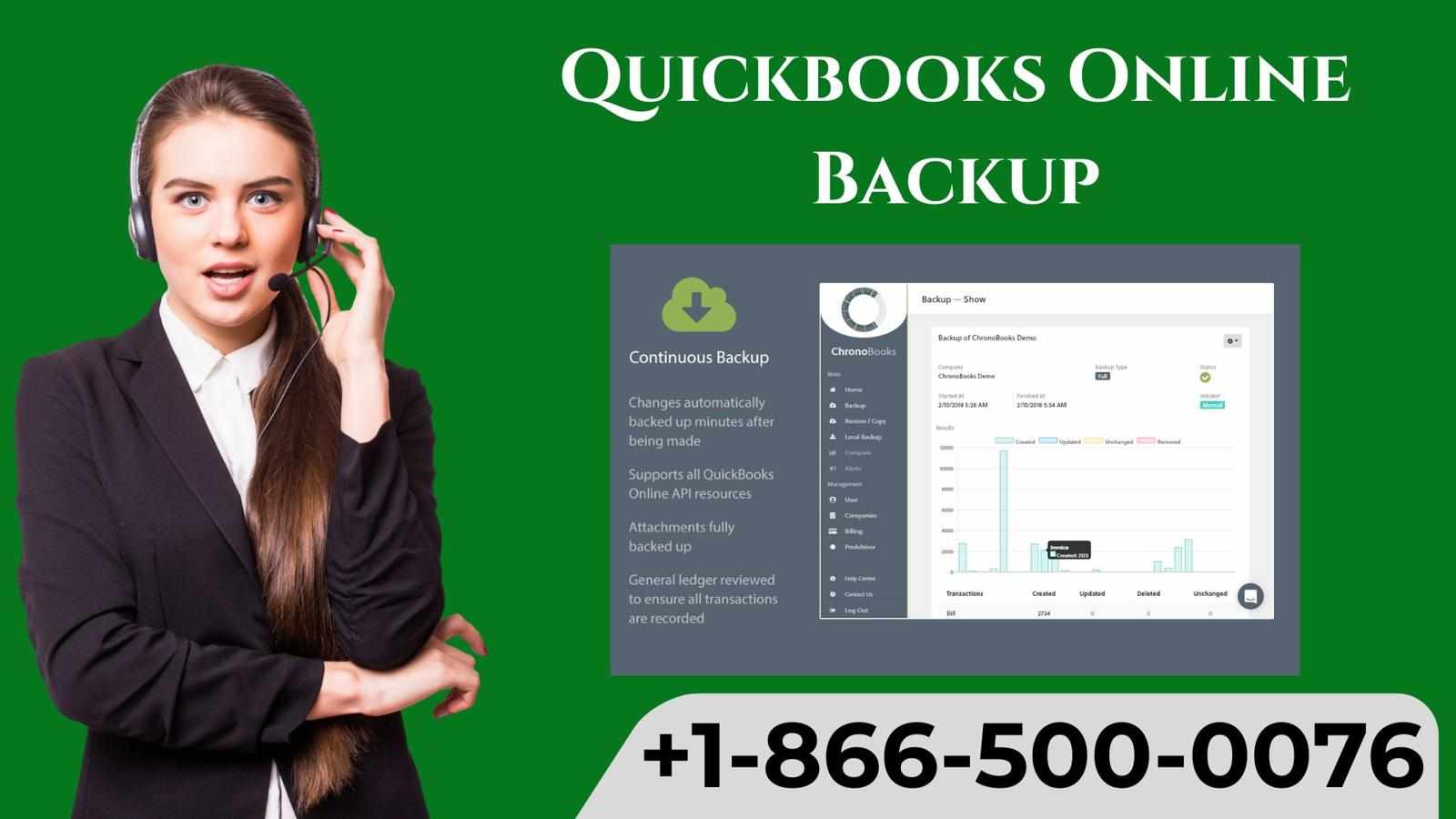
Before diving into backup methods, it's important to understand how QuickBooks Online data backup works within the platform itself. Intuit maintains multiple data centers with redundant systems, ensuring your information remains accessible. The platform automatically saves changes as you work, which means you're constantly working with up-to-date information.
However, this automatic saving doesn't replace the need for independent backups. While Intuit's infrastructure is robust, having your own backup gives you control and peace of mind. This becomes particularly crucial during tax season, audits, or when switching accounting systems.
How to Backup QuickBooks Online: Step-by-Step Methods
Method 1: Export Your Company Data
The most straightforward way to backup QuickBooks backup online is through the built-in export function:
Navigate to the Settings gear icon in the top right corner
Select "Export Data" under the Tools section
Choose your date range for the backup
Click "Export to Excel" to download your reports
Save the exported files in a secure location, preferably on an external drive or cloud storage
This method creates spreadsheet versions of your key financial reports, including profit and loss statements, balance sheets, and transaction lists.
Method 2: Use QuickBooks Online Accountant Tools
If you're working with an accountant or have an accountant version, you can access advanced backup features:
Open QuickBooks Online Accountant
Select the client company you want to backup
Click on "Backup Company" from the menu
Choose automated or manual backup options
Set your backup schedule and storage preferences
Method 3: Third-Party Backup Solutions
Method 3: Third-Party Backup Solutions
Several specialized applications offer comprehensive QuickBooks Online backup capabilities with automated scheduling and enhanced features. These tools provide:
Automatic daily or weekly backups
Version history to restore from multiple points in time
Direct cloud storage integration
Easy restoration processes
Enhanced security encryption
Popular options include Rewind Backups, SafeSend Suite, and various enterprise backup solutions designed specifically for accounting software.
Best Practices for QuickBooks Online Data Backup
Create Multiple Backup Copies
Never rely on a single backup location. Follow the 3-2-1 backup rule: maintain three copies of your data, on two different media types, with one copy stored offsite. This protects against hardware failures, natural disasters, and cyber threats.
Establish a Regular Backup Schedule
Consistency is key when protecting your financial data. Set up automatic backups to run:
Daily for businesses with high transaction volumes
Weekly for smaller operations
Immediately before major tasks like year-end closing
Before making bulk changes or deletions
Verify Your Backups Regularly
Creating backups is only half the battle—you need to ensure they actually work. Periodically test your backup files by attempting to open and review them. This verification process helps you catch potential issues before you actually need to restore data.
Secure Your Backup Files
Your backup files contain sensitive financial information and should be protected accordingly. Implement these security measures:
Use strong encryption for all backup files
Store backups in password-protected locations
Limit access to authorized personnel only
Consider using encrypted cloud storage services
Keep physical backups in secure, climate-controlled environments
Read This Blog:- Quickbooks Not Calculating Taxes
Common QuickBooks Online Backup Challenges and Solutions
Challenge: Limited Native Backup Options
Unlike QuickBooks Desktop, the online version has fewer built-in backup features. Solution: Leverage third-party applications or regularly export your data in multiple formats.
Challenge: Large File Sizes
Comprehensive backups can create large files that are difficult to manage. Solution: Use compression tools and organize backups by fiscal year or quarter to manage file sizes effectively.
Challenge: Backup Restoration Complexity
Restoring data from exports can be complicated. Solution: Document your backup process and maintain clear instructions for restoration procedures. Consider professional assistance when needed.
Conclusion
Protecting your financial data through proper QuickBooks Online backup practices is an investment in your business's stability and continuity. Whether you choose manual exports, accountant tools, or third-party solutions, the important thing is to establish a consistent backup routine and stick to it. Remember that your financial data represents years of business operations, customer relationships, and strategic decisions—don't leave it vulnerable to loss.
By implementing the strategies outlined in this guide, you'll ensure that your business remains protected against data loss while maintaining easy access to historical financial information whenever you need it.
Frequently Asked Questions
Q: Does QuickBooks Online automatically backup my data?
A: While QuickBooks Online stores your data in secure cloud servers with redundancy, it doesn't provide downloadable automatic backups. You need to manually export data or use third-party tools for comprehensive backup copies.
Q: How often should I backup QuickBooks Online?
A: The frequency depends on your transaction volume. Businesses with daily transactions should backup weekly or even daily, while smaller operations might backup monthly. Always backup before major changes or year-end closing.
Q: Can I restore my QuickBooks Online data from a backup?
A: Exported data from QuickBooks Online cannot be directly re-imported to restore your entire company file. However, you can use the data for reference or recreate transactions. Third-party backup solutions offer more complete restoration options.
Q: What's the difference between exporting data and backing up?
A: Exporting creates spreadsheet versions of your reports and lists for reference, while a true backup preserves your entire company file structure. For QuickBooks Online, exports are the primary native backup method available.
Q: Are third-party backup solutions safe for QuickBooks Online?
A: Reputable third-party backup solutions use secure, encrypted connections and are designed specifically for QuickBooks Online. Always research providers, read reviews, and ensure they comply with data security standards before choosing a solution.
Read More:- https://primeaccountinghub.hashnode.dev/quickbooks-outlook-not-responding-fix-it-now-2025


Write a comment ...